Kharif (Monsoon) Cropping Season
Sowing Period: June – July | Harvesting Period: September – October
Kharif crops require hot and humid weather during growth and substantial water availability. Sown at the beginning of the southwest monsoon, these crops are verified against deforestation coordinate parameters.
Recommended environmental parameters registered by CropLabel node tags.
Season Compatible Crops
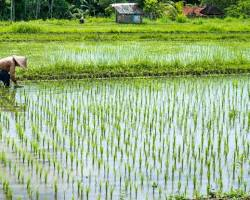
Rice (Paddy)
Food Crop (Staple Cereal)85% - 95% (Flooded Plain)
Alluvial Soil of river plains (Clayey, retentive structure)
High Nitrogen (N: 160ppm), High Zinc
Maintain 5-10cm standing water. Clean debris from inlet filters.
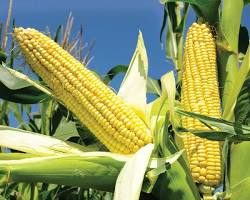
Maize (Corn)
Food & Fodder Crop60% - 65% (Well-drained)
Well-drained Fertile Alluvial / Red Sandy Loams
High Nitrogen, Balanced Phosphorus
Susceptible to waterlogging. Monitor fall armyworm pheromone traps.
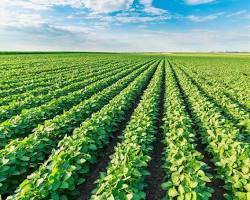
Soybean
Oilseed & Legume (Cash Crop)60% - 70%
Deep Black Loamy Soil (highly productive moisture index)
Low Nitrogen (Self-fixing active), High Potassium & Sulfur
Rhizobia nodule activity check: Optimal. Trace boron supplements added.
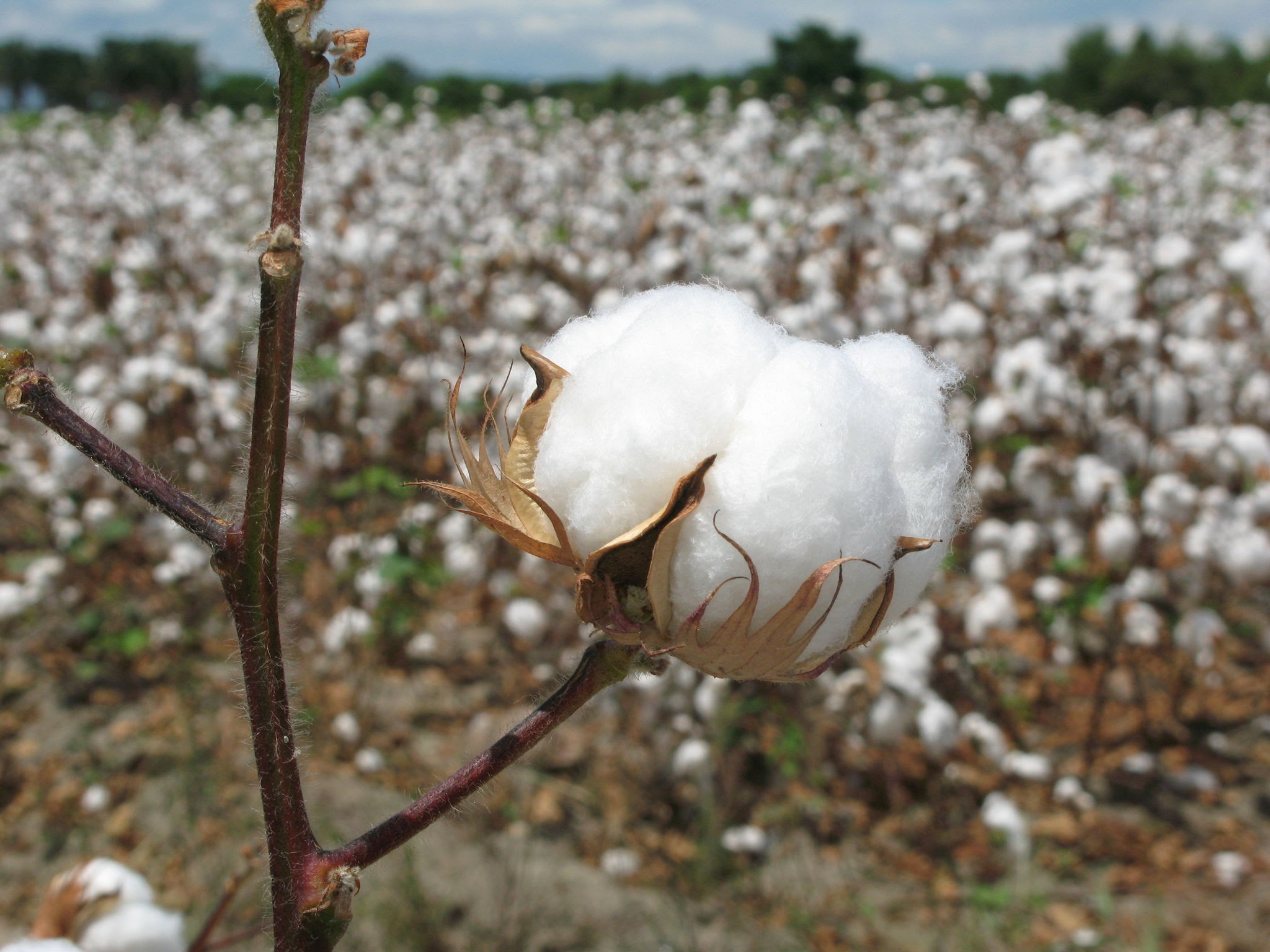
Cotton
Fiber Crop (Industrial Cash)45% - 55% (Drought-tolerant)
Clayey Black Soil (Regur Soil - excellent moisture lock)
Medium Nitrogen, High Potassium
Requires high sunshine hours. Screen cotton bolls for insect damage.
Season Sowing Checklist
Verifications mandatory at harvesting computers prior to smart tag write logs.
- Transplanting paddy plant nurseries into flooded clayey fields.
- Calibrate coordinate boundaries for zero-deforestation certification logs.
- Audit field runoff pathways and soil erosion barriers.
- Check nitrogen-fixation node counts on row soybeans.
- Monitor pest threat alarms for cotton crops (Pink Bollworm tracking).